In a city like San Antonio with beautiful scenery and changeable climate, equipping a complete set of cycling equipment that suits your needs can greatly improve the safety and comfort of your cycling journey. The right equipment not only ensures cycling safety, but also effectively copes with various weather and road conditions, making every trip smoother and more enjoyable.
1. Helmet: The essential guardian of safe cycling
The core role of the helmet
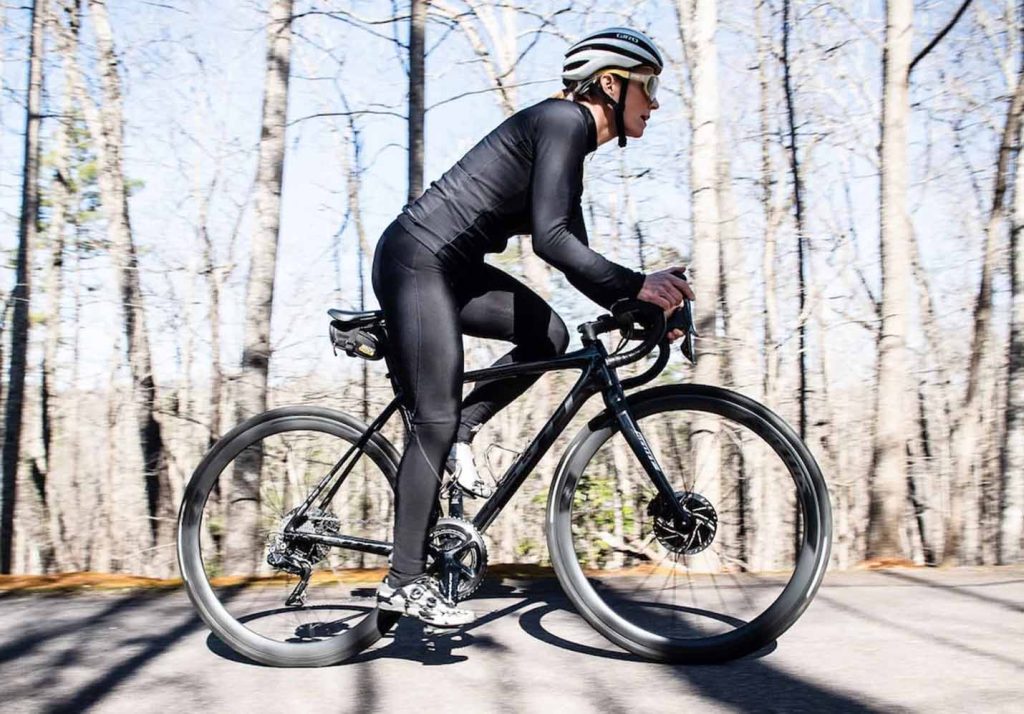
The helmet is the most important safety guarantee in cycling equipment. Whether it is shuttling through the streets of the city or challenging the rugged routes of the nature reserve, a qualified helmet can protect the head from impact injuries to the greatest extent. San Antonio has a variety of cycling routes and complex road conditions. Wearing a helmet is not optional, but a necessary prerequisite for every ride.
Choose a helmet that suits you
There are many types of cycling helmets on the market, from lightweight racing models to sturdy and durable mountain helmets, each with its own advantages. When choosing, in addition to meeting national or international safety certifications, you should focus on the following points: whether it is light, whether it has a good ventilation design, whether the lining is soft and comfortable, and whether the head circumference adjustment device is convenient and stable. Especially in the hot summer season, a well-ventilated helmet can effectively prevent overheating of the head and improve riding comfort.
Wearing and maintenance precautions
When wearing a helmet, make sure that the helmet is in the correct position, the front edge is lower than the eyebrows, and avoid the helmet shaking back and forth. The headband adjustment should fit the head, neither loose nor tight. After a collision or obvious bump, the helmet should be replaced in time, and the damaged product should not be used. During normal use, avoid exposing the helmet to strong sunlight or high temperature environment to extend its service life.
2. Cycling clothing: both comfortable and functional
The design concept of cycling clothing
Cycling clothing is not only a wearing equipment, but also an important guarantee for improving cycling efficiency and comfort. Professional cycling clothing uses high-elastic fabrics, fits the body lines, reduces wind resistance, and improves cycling power transmission. At the same time, it has moisture absorption and perspiration function to keep the skin dry and reduce stuffiness and discomfort during riding.
Choose cycling clothes according to the season
San Antonio is hot in the summer, so it is recommended to choose short-sleeved cycling clothes that are light, breathable, and have UV protection. In spring and autumn, the temperature is moderate, so you can choose long-sleeved cycling clothes, which not only keep you warm but also prevent direct sunlight. In winter, you need to add warm jackets and windproof jackets to ensure that your body temperature is stable during riding.
Safety and visual identification
Bright colors and reflective strips are important safety elements of cycling clothes. They can enhance the visibility of cyclists in traffic, especially in the early morning, dusk or rainy days when the light is poor, significantly reducing the risk of accidents. Choosing uniform clothing when riding for couples can also add a romantic atmosphere.
3. Cycling shoes: the key to foot comfort and efficiency improvement
Sole hardness and cycling efficiency
Professional cycling shoes usually use hard soles to help transmit pedaling force more effectively and reduce energy loss. For long-term cyclists, the pedal lock system can greatly improve cycling efficiency and stability.
Shoe selection tips
When choosing cycling shoes, comfort is the key. When trying on shoes, pay attention to whether there is enough space for the toes and whether the heels are stable and not easy to slip off. People with wide feet should choose wide shoes. In summer, it is recommended to use materials with good breathability to prevent overheating and sweating of the feet.
Limitations of ordinary sports shoes
Although beginners may choose ordinary sports shoes, these shoes usually have soft soles, low energy transfer efficiency when pedaling, and are prone to fatigue and discomfort after long-term riding. Gradually upgrading to professional cycling shoes can significantly improve the riding experience.
4. Cycling gloves: protect your hands and improve comfort
Multiple protection functions of gloves
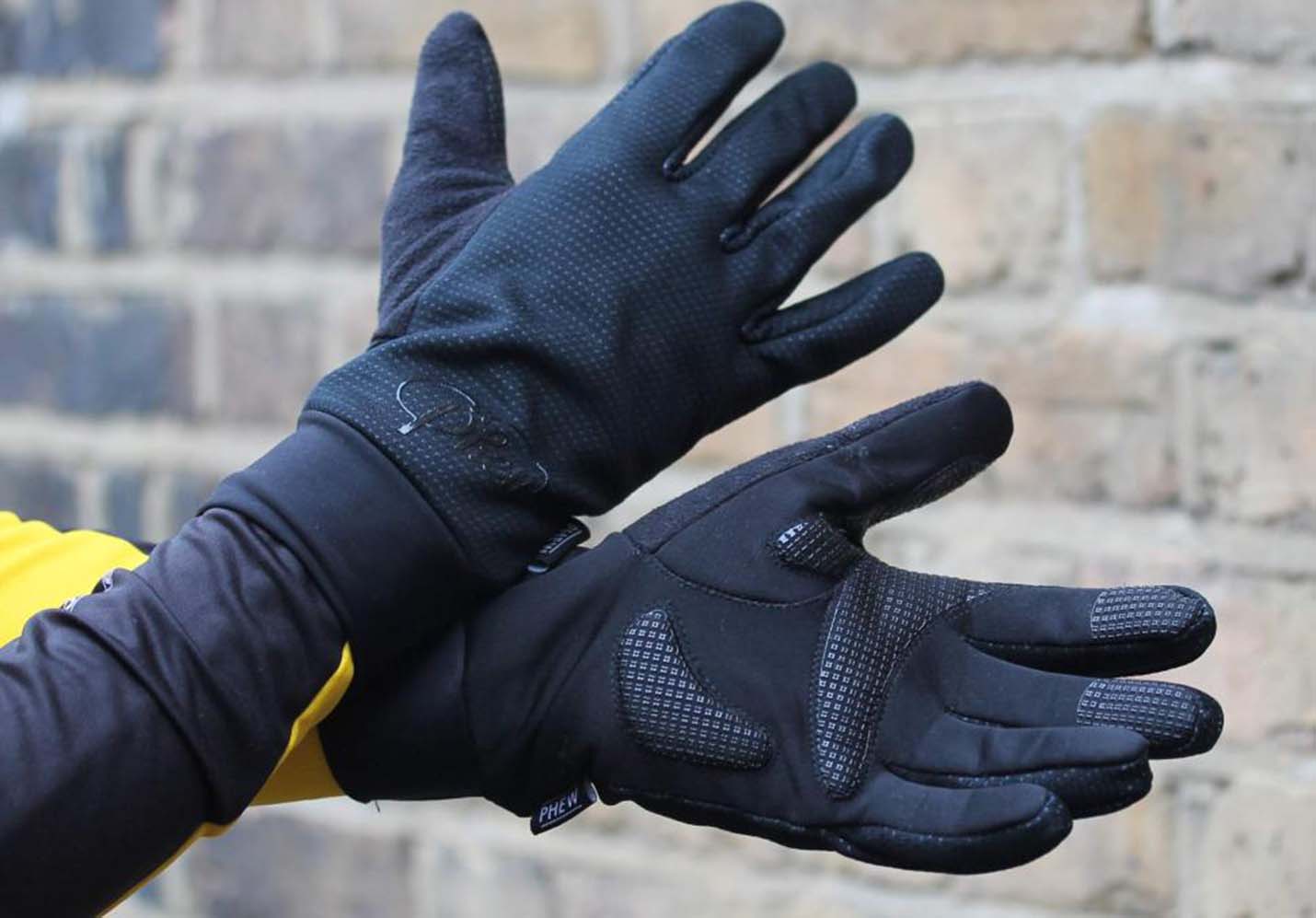
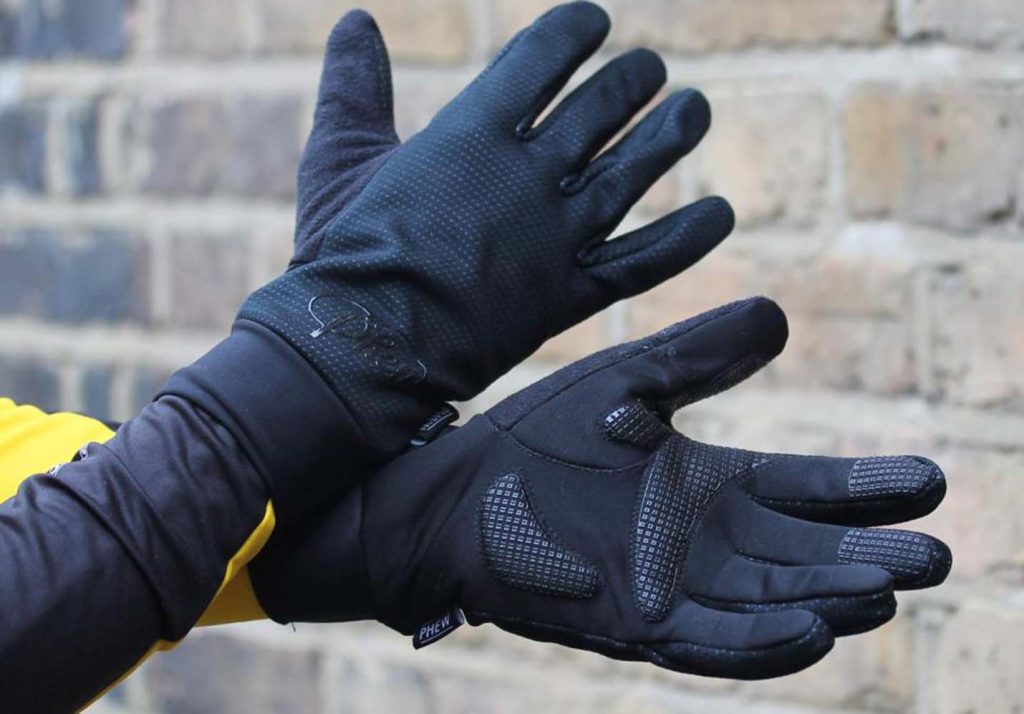
During riding, numbness, fatigue and callouses are easily caused by holding the handlebars for a long time. Cycling gloves use a buffering design to reduce vibration transmission and effectively protect the palms. In addition, in case of accidents, gloves can also prevent abrasions and cuts.
Choose breathable and fitted gloves
High-quality cycling gloves use breathable mesh materials to keep your hands dry. The palm part is equipped with silicone or foam cushioning pads to increase grip stability. It is advisable to choose thin and light models in summer and thick models with warmth in winter.
5. Cycling bag: a must-have companion for light riding
Diverse forms of cycling bags
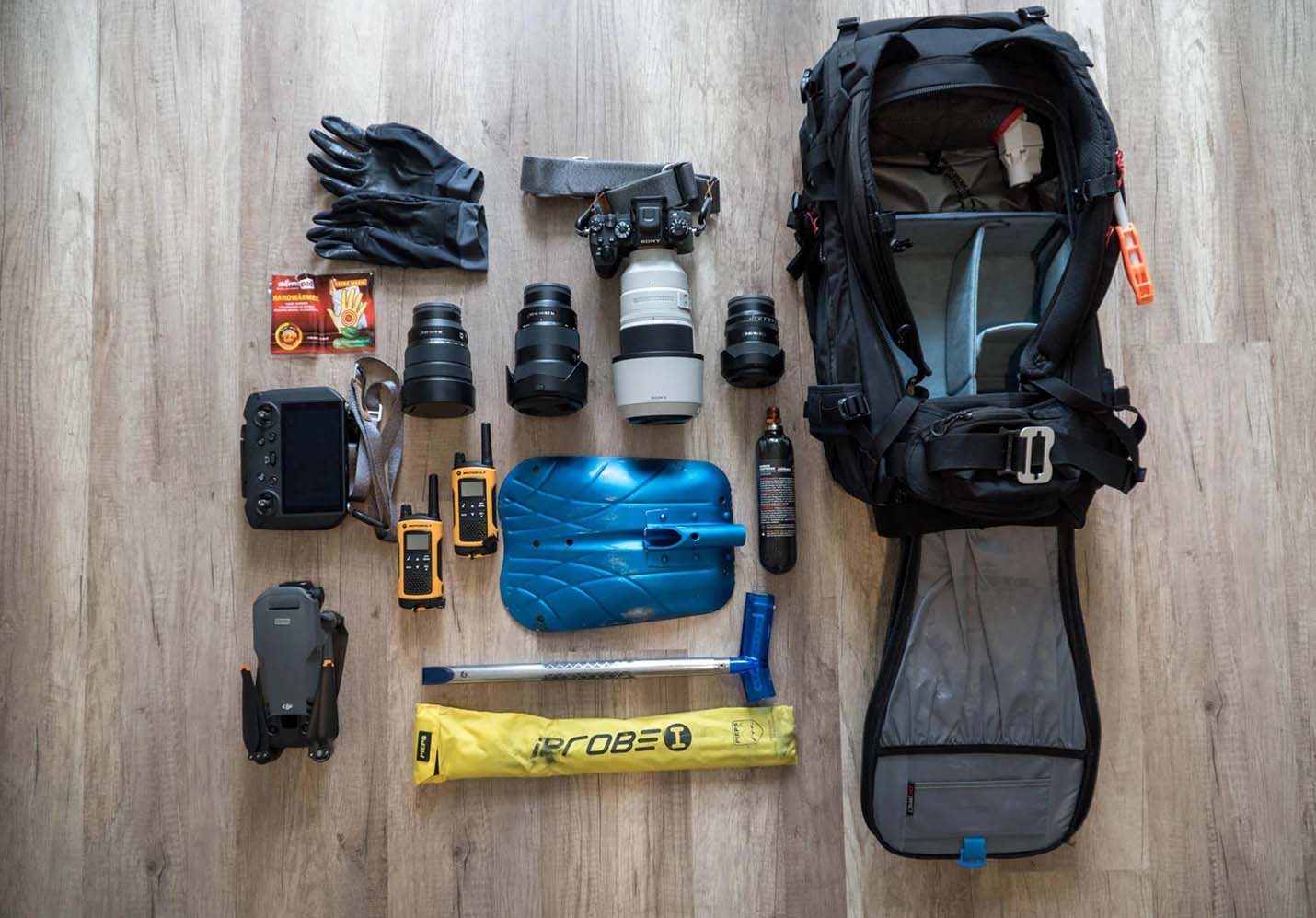
Cycling bags are mainly divided into backpack type, waist bag type and frame bag type. Backpacks are suitable for carrying more items, such as spare clothes, water bottles, cameras and food supplies; waist bags are lightweight and suitable for short-distance riding; frame bags are fixed through the frame to reduce back pressure and are suitable for long-distance riding.
Capacity and functional requirements
Choose the capacity according to the length and needs of the cycling route. For short-distance light riding, you can choose a small cycling bag to ensure that the basic items are carried; for long-distance riding, you need a larger capacity and a multi-layer compartment design for easy classification and storage. Waterproof function is an important consideration for cycling bags, especially when San Antonio occasionally has sudden thunderstorms, to ensure that the items are dry and safe.
Comfortable and stable details design
The shoulder straps should have a buffer design, and the bag body should have a fixed buckle or chest strap to prevent shaking during riding. There should be safety reflective strips in the bag to improve safety when riding at night.
6. Water bottles and supply equipment: water and energy replenishment are key
Water replenishment equipment selection
San Antonio has high temperatures in summer, so it is very important to replenish water during cycling. Water bottles are made of plastic and stainless steel. The former is light and easy to carry, while the latter has heat preservation properties. Water bag backpacks are suitable for long-distance cycling and are convenient for drinking while riding.
Supply food suggestions
During cycling, appropriately supplement high-energy foods such as energy bars, nuts, dried fruits or bananas to help maintain physical strength. Avoid carrying perishable or overly greasy foods, and keep them clean and light.
7. Navigation and safety accessories
Navigation equipment
Smartphones combined with cycling navigation apps are the mainstream choice. It is recommended to download offline maps to deal with unstable signals in some areas. You can also consider portable GPS devices to enhance navigation accuracy.
Lights and reflective equipment
Make sure you have strong headlights and taillights to improve night riding safety. Equip the vehicle body and equipment with reflective stickers and reflective elements on clothing to increase the attention of vehicle drivers.
Repair tools
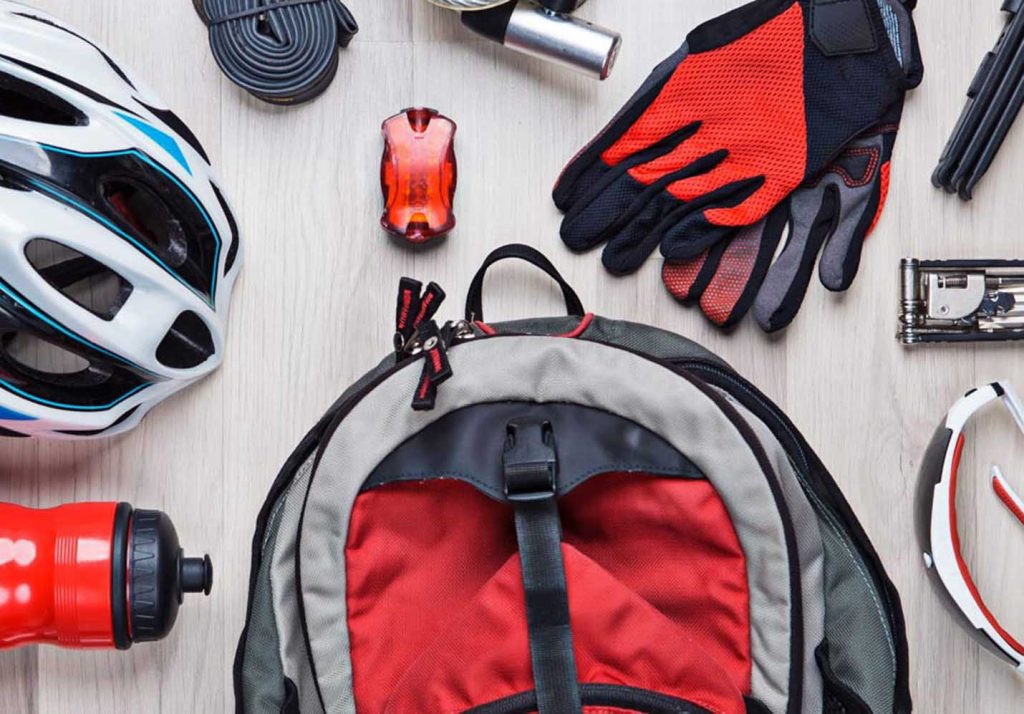
Carry basic repair tools such as a pump, utility knife, tire patch, and spare inner tube. Some of San Antonio’s cycling trails are remote, so it is important to be able to fix minor problems yourself.
8. Wear and protective equipment
Sun protection and sunshade
High-intensity sunlight is one of the main challenges of cycling. Be sure to apply sunscreen before riding, wear UV-proof sunglasses and a breathable hat. Choose cycling clothes with UV protection to enhance the protection effect.
Importance of glasses
Cycling glasses can effectively block wind, sand, bugs and UV rays. Polarized lenses can reduce reflections and improve visual clarity and comfort.
Masks and respiratory protection
During the spring pollen season or when the air quality is poor, wear a cycling mask to avoid respiratory discomfort.
9. Additional equipment and personal comfort improvement
Multi-function smart watch
Use a smart watch to monitor heart rate, speed and distance during cycling to help arrange the riding rhythm reasonably.
Phone holder
The phone holder is fixed to the handlebars, which is convenient for viewing navigation and answering calls to ensure safety.
Cycling Rain Gear
San Antonio occasionally has showers, so light raincoats and waterproof cycling bags are essential to keep your equipment and body dry.
10. Precautions and Equipment Maintenance
Pre-trial and Testing
Before riding, you should try on new equipment several times to adapt to the feeling and avoid discomfort on the spot affecting the riding experience.
Equipment Cleaning and Maintenance
Wash your clothes and equipment in time after riding to avoid sweat and mud erosion. The lining of the helmet should be removed and washed regularly to keep it clean and hygienic.
Equipment Update Cycle
When cycling equipment is damaged or its function declines, it should be replaced in time. Safety equipment such as helmets and cycling shoes are particularly important. Do not use expired products.
Cycling in San Antonio is not only a physical challenge, but also a visual and spiritual feast. Having a scientific and reasonable list of cycling equipment will provide you with safety and comfort, allowing you to focus on discovering and enjoying the scenery along the way. Whether you are a novice or an experienced rider, the right equipment is a solid backing for you to conquer the San Antonio cycling route. I wish you a happy ride and a smooth journey!